Discovering the best Protective Underpad Wholesale deals is essential for global buyers seeking quality products. Underpads play a critical role in maintaining hygiene and comfort, especially in medical and care settings. They protect surfaces from moisture and spills, ensuring cleanliness and safety.
Selecting the right supplier is crucial. Factors like material quality, absorbency, and price should guide buyers in decision-making. The market offers a range of options, yet not all are created equal. It is vital to choose reliable manufacturers known for their expertise and industry reputation. This safeguards against poor-quality products that could compromise user experience.
Navigating the wholesale landscape can be challenging. Buyers must conduct careful research and ask pertinent questions. Are the materials certified? Is the production process environmentally friendly? Engaging with knowledgeable suppliers fosters trust. Ultimately, making informed choices leads to satisfaction and long-term partnerships in the protective underpad segment.
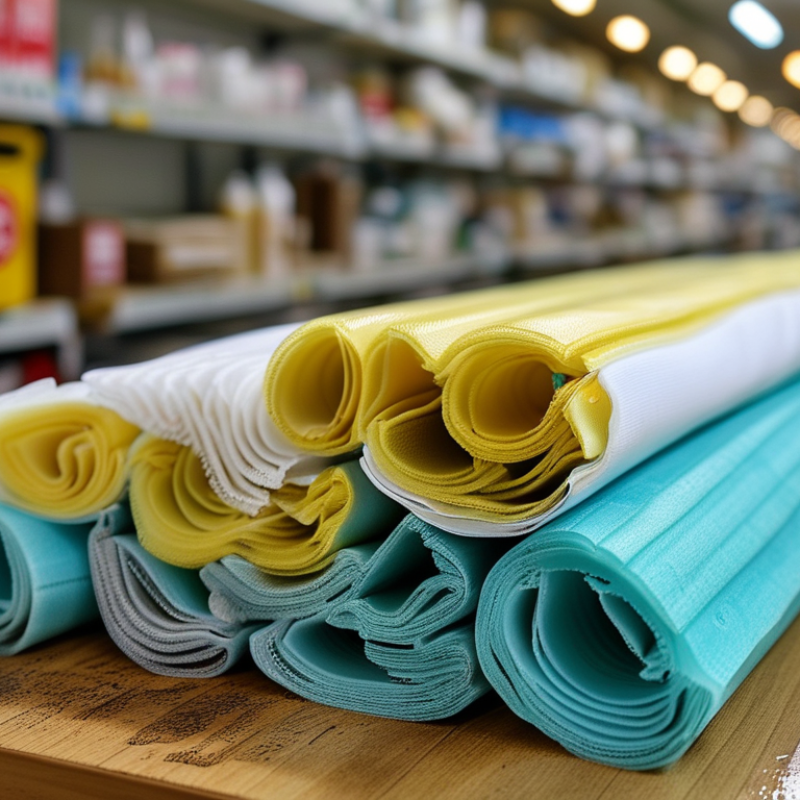
When selecting protective underpads, various types cater to different needs. For incontinence, heavy-duty options work best. They offer maximum absorption and prevent leaks. These pads are especially useful in healthcare settings, ensuring comfort for patients.
Another type is the lightweight pad, ideal for everyday use. They provide basic protection and are easy to change. These are popular among caregivers managing elderly patients at home. Not all pads fit every scenario, so understanding specific requirements is crucial.
Some pads are designed for bed protection, featuring waterproof backing for extra security. Others focus on skin care, made with breathable materials to reduce irritation. Choosing the right type can greatly improve quality of life. It’s important, however, to evaluate choices carefully.
The global demand for protective underpads has seen significant growth in 2023. According to industry reports, the market is projected to reach USD 4.5 billion by the end of the year. This increase is driven by rising awareness of incontinence products and the aging population globally. Many healthcare facilities now prioritize hygiene and comfort, contributing to this surge in demand.
However, market challenges persist. The cost of raw materials is fluctuating, impacting prices. Sustainability is also a growing concern. Consumers are increasingly looking for eco-friendly options. Brands that address these issues may outperform competitors.
Tip: When sourcing underpads, consider products made from sustainable materials. This may attract environmentally conscious buyers. Also, ensure that quality standards are met, as this enhances customer trust. Small details can lead to significant advantages in this competitive market.
| Region | Market Size (Million USD) | Growth Rate (%) | Key Drivers | Challenges |
|---|---|---|---|---|
| North America | 550 | 6.5 | Aging population, Increased healthcare spending | High competition, Price sensitivity |
| Europe | 400 | 5.2 | Rising awareness of hygiene, Government initiatives | Regulatory compliance, Availability of alternatives |
| Asia-Pacific | 300 | 8.0 | Expanding healthcare infrastructure, Growing elderly population | Cultural stigmas, Price barriers |
| Latin America | 150 | 7.0 | Increasing healthcare access, Rising birth rates | Economic instability, Limited distribution channels |
| Middle East & Africa | 200 | 4.8 | Increasing awareness of hygiene, Healthcare initiatives | Supply chain issues, Infrastructure challenges |
The underpad industry has seen remarkable growth, driven by increasing demand for hygiene products. Reports indicate that the global underpad market is projected to reach $1.2 billion by 2025. This surge is largely due to the aging population and rising awareness of incontinence care. As a result, wholesale deals are becoming attractive to global buyers seeking cost-effective solutions.
Top wholesale suppliers and manufacturers are diversifying their product ranges. They often provide various materials, such as fluff pulp and polymer, enhancing absorbency and comfort. Some companies focus on eco-friendly options, which are gaining traction among consumers. However, not all suppliers maintain consistent quality. This inconsistency can lead to reliability issues for buyers. It's crucial for global buyers to conduct thorough evaluations of potential suppliers to ensure product quality and compliance with international standards.
Additionally, negotiating prices and minimum order quantities can be challenging. Buyers may encounter varying price points depending on supplier capabilities and geographic location. Some suppliers may lack transparent pricing structures, making it vital for buyers to seek detailed quotes. The underpad market presents exciting opportunities, but careful consideration and scrutiny are essential to cultivate reliable partnerships in the industry.
When considering protective underpads, bulk purchasing often proves more economical. A recent industry report indicated that buying in bulk can save buyers up to 30% compared to retail prices. This cost-effectiveness is crucial for global buyers looking to maximize their investment. In regions with high demand, such as healthcare facilities, these savings become significant.
However, it’s important to note that purchasing in bulk requires storage space and upfront capital. This can pose challenges for small-scale buyers or new entrants to the market. Buyers might find themselves with excess inventory if demand shifts unexpectedly. Flexibility and market awareness are essential in such scenarios. On the other hand, retail shopping offers immediate availability and smaller quantities, making it appealing for certain buyers.
Ultimately, it is vital for buyers to weigh their needs against the financial implications. A decision rooted in data and market trends will facilitate a more informed purchasing strategy. Careful forecasting and planning can help mitigate potential overstock issues, ensuring a balanced and cost-effective approach.
Protective underpads play a crucial role in healthcare settings. They provide a layer of protection for beds and chairs, preventing leaks and maintaining hygiene. However, different regions have varying quality standards and regulations that buyers must consider. Understanding these guidelines is essential for global buyers seeking dependable products.
Quality standards often vary by country. In many places, protective underpads must adhere to specific material and absorbency metrics. Buyers should be aware of local certifications that indicate compliance. For example, some regions require materials to be non-toxic and hypoallergenic. Ignoring these regulations can lead to purchasing substandard products that do not meet the necessary requirements.
Buyers should also evaluate the testing methods used by manufacturers. Regular quality assessments are vital. Some suppliers may not consistently test their products, raising questions about reliability. Engaging with suppliers who follow stringent quality controls is crucial. This practice ensures that the products meet both safety and performance expectations while also providing peace of mind for end-users.
: The aging population and increased awareness of incontinence products are key drivers.
The market is expected to reach USD 4.5 billion by the end of 2023.
Yes, fluctuating raw material costs and sustainability concerns pose challenges.
Buyers should consider sourcing underpads made from sustainable materials.
Meeting quality standards boosts customer trust and satisfaction levels.
Buyers should conduct thorough evaluations of suppliers to ensure product quality.
Varying price points and inconsistent pricing structures can create challenges.
Eco-friendly options are gaining traction among conscious consumers.
Yes, not all suppliers maintain consistent quality, which can be problematic.
Small details can lead to significant competitive advantages for buyers.
The article "Best Protective Underpad Wholesale Deals for Global Buyers" provides a comprehensive overview of the various types of protective underpads available to meet different needs and preferences. It analyzes the growing global demand for protective underpads in 2023, highlighting key trends and consumer behaviors influencing the market. Additionally, it identifies top wholesale suppliers and manufacturers within the underpad industry, offering insights into their services and product offerings.
Furthermore, the piece presents a cost-benefit comparison between purchasing protective underpads in bulk versus retail prices, emphasizing the potential savings for buyers. It also addresses the quality standards and regulations governing protective underpads worldwide, ensuring that buyers are informed about safety and compliance issues. As a result, this article serves as a valuable resource for those seeking protective underpad wholesale options that align with their requirements.

Wholesome