Choosing the right supplier is more difficult than comparing product photos and factory claims. For global buyers, an Adult Diaper Factory must demonstrate consistent hygiene, material control, production capacity, and reliable export support. This guide reviews ten manufacturers through practical purchasing criteria, including absorbency testing, core construction, leakage protection, sizing accuracy, packaging quality, and private-label flexibility. Small details matter. A loose waistband or poorly sealed carton can create costly complaints.
Experience shows that dependable factories communicate clearly before the first order. They should provide product samples, technical specifications, test reports, factory information, and realistic production schedules. Buyers should also examine minimum order quantities, lead times, payment terms, storage conditions, and shipping documentation. Certifications can support credibility, but they should be verified through current documents and independent checks. A polished website is not proof of manufacturing strength.
No factory is perfect. Even experienced suppliers may face material shortages, seasonal delays, or inconsistent communication. That is why this selection considers transparency alongside price and production scale. Site audits, sample evaluations, and written quality agreements can reduce avoidable risks. The strongest partners usually explain problems early, rather than hiding them behind confident promises. Still, every buyer should conduct independent due diligence before signing a contract. Needs differ across hospitals, retailers, care homes, and distributors. A factory suitable for high-volume institutional orders may not fit a smaller brand. This introduction sets a practical foundation for comparing the ten best adult diaper factories and choosing a supplier with evidence, experience, and dependable long-term service.
10 Best Adult Diaper Factories for Global Buyers
The market is entering a major demographic shift. The World Health Organization reports that one in six people will be aged 60 or older by 2030. This change will increase demand for reliable adult incontinence products, especially in hospitals, care homes, and home-care settings.
Global buyers should examine more than production capacity. A dependable factory should provide absorbency test results, material traceability, and clear quality records. During supplier assessments, small details often matter. Check the softness of the top sheet, the strength of side panels, and the fit of different waist sizes. Ask how rejected units are isolated. Request recent audit documents, not old promotional files.
Comfort is not optional. Neither is consistency.
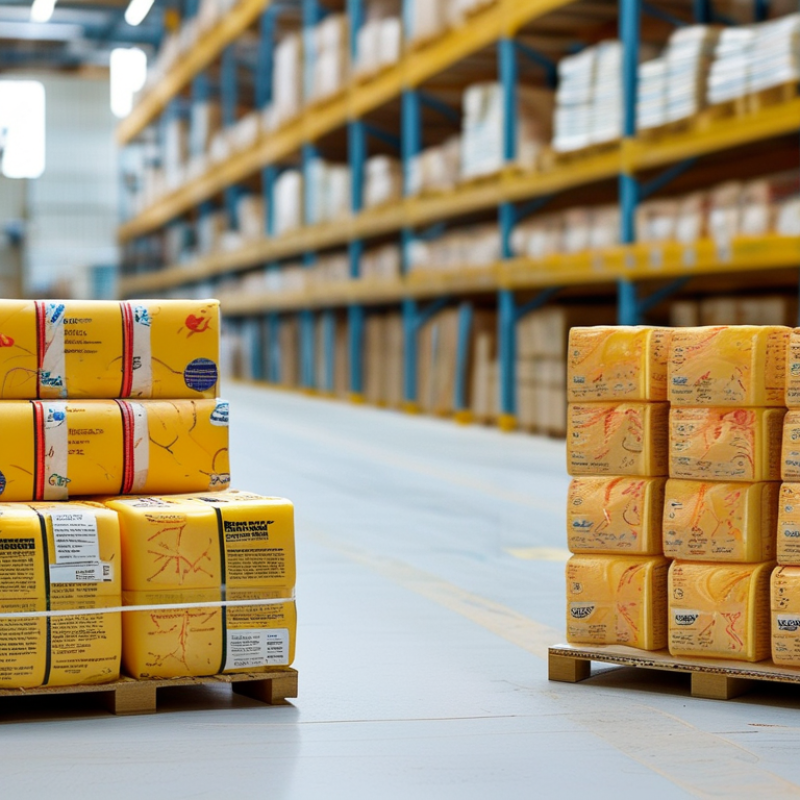
Factories should also explain their hygiene controls, packaging process, and shipment protection. Moisture can damage cartons during long sea transport. Strong inner wrapping and pallet protection reduce this risk. Pricing deserves careful review too. The cheapest quotation may hide thinner materials, unstable supply, or higher defect rates. A checklist helps, but it cannot reveal everything. Sample testing may overlook performance after repeated movement or overnight use. Buyers should collect feedback from nurses, caregivers, and users before placing large orders. The strongest manufacturing partners accept questions, disclose limitations, and improve when evidence exposes a weakness.
Anonymized supplier-screening comparison for global buyers. Capacity figures are indicative annual ranges, while certification and compliance items should be verified through current factory documents, audits, and sample approval.
| Rank | Anonymous Factory Profile | Primary Manufacturing Region | Main Product Formats | Indicative Annual Capacity | Production Strengths | Quality & Compliance Coverage | Typical MOQ for OEM Orders | Export Readiness | Best Fit for Buyers | Screening Score |
|---|---|---|---|---|---|---|---|---|---|---|
| 1 | Factory Profile A | Eastern China | Pull-up pants Tab-style briefs Underpads | 1.2–1.8 billion pieces | High-speed converting lines; broad size range; private-label packaging | ISO 9001; ISO 13485 available; product testing for absorbency and leakage | 100,000–300,000 pieces per size | Strong ocean-export capability; established carton and pallet documentation | Large distributors and multi-country private-label programs | 9.2/10 |
| 2 | Factory Profile B | Western Turkey | Adult briefs Pull-ups Wetness-control products | 700 million–1.1 billion pieces | European delivery advantages; flexible absorbency cores; multilingual packaging support | ISO 9001; CE-related technical documentation where applicable; REACH-oriented material controls | 50,000–150,000 pieces per SKU | Good access to Europe, the Middle East, North Africa, and Central Asia | European wholesalers seeking shorter lead times | 9.0/10 |
| 3 | Factory Profile C | Southern Vietnam | Pull-up pants Heavy-absorbency briefs Bed pads | 500–850 million pieces | Competitive labor costs; export-oriented production; breathable nonwoven materials | ISO 9001; social-audit support; routine microbiological and physical testing | 80,000–200,000 pieces per design | Reliable Asian sourcing base with container-export experience | Importers balancing cost, quality, and supply diversification | 8.8/10 |
| 4 | Factory Profile D | Central Malaysia | Premium pull-ups Slim-fit briefs Underpads | 350–650 million pieces | Soft-touch topsheets; tropical-climate performance; strong odor-control options | ISO 9001; FSC-certified pulp options; OEKO-TEX-compatible material sourcing available | 50,000–120,000 pieces per SKU | Good ASEAN logistics; suitable for Australia, the Middle East, and selected EU markets | Premium retail and pharmacy channels | 8.7/10 |
| 5 | Factory Profile E | Central Europe | Adult briefs Incontinence pads Underpads | 250–500 million pieces | Consistent European-grade materials; automated inspection; short regional replenishment cycles | ISO 9001; ISO 13485 available; documented batch traceability | 30,000–100,000 pieces per SKU | Efficient EU road distribution; strong documentation for institutional tenders | Hospitals, care-home groups, and EU distributors | 8.6/10 |
| 6 | Factory Profile F | Northern Mexico | Adult pull-ups Tab-style briefs Underpads | 300–550 million pieces | Nearshore supply for North America; bilingual packaging; rapid replenishment capability | ISO 9001; retailer compliance programs; absorbency and skin-contact testing available | 40,000–120,000 pieces per SKU | Strong truck and cross-border logistics into the United States and Canada | North American regional brands and medical distributors | 8.5/10 |
| 7 | Factory Profile G | Western India | Value briefs Pull-ups Maternity and underpads | 250–450 million pieces | Cost-efficient production; adaptable pack counts; suitable for emerging-market price points | ISO 9001; factory quality-control systems; third-party product testing available | 75,000–200,000 pieces per SKU | Growing container-export capability across Africa, Asia, and the Middle East | Value-focused distributors and public-sector supply programs | 8.2/10 |
| 8 | Factory Profile H | Southern Brazil | Adult briefs Pull-ups Underpads | 200–400 million pieces | Strong regional raw-material access; Spanish and Portuguese packaging; Latin American market knowledge | ISO 9001; local sanitary-registration support where required; batch testing | 50,000–150,000 pieces per SKU | Well suited to South American distribution; export documentation available | Latin American importers and pharmacy wholesalers | 8.1/10 |
| 9 | Factory Profile I | North Africa | Adult briefs Pull-ups Basic underpads | 150–300 million pieces | Shorter lead times to nearby markets; flexible private-label packing; competitive regional freight | ISO 9001; supplier declarations for material safety; third-party inspection support | 30,000–100,000 pieces per SKU | Good access to North Africa, Southern Europe, and selected Middle Eastern markets | Regional wholesalers requiring moderate order volumes | 7.9/10 |
| 10 | Factory Profile J | Southeast China | Economy briefs Pull-up pants Disposable bed pads | 180–350 million pieces | Low-cost customization; multiple pack formats; suitable for trial orders and regional launches | ISO 9001; incoming-material inspection; independent absorbency testing on request | 30,000–80,000 pieces per SKU | Flexible export arrangements; suitable for mixed-container purchasing | Start-ups, online sellers, and buyers testing new markets | 7.8/10 |
By 2030, one in six people may be aged 60 or older. Hospitals, care homes, and families will need dependable products.
Request absorbency results, material traceability, quality records, and recent audit documents. Inspect softness, side-panel strength, and waist-size fit.Small details matter.
Ask for monthly output, active lines, worker numbers, warehouse space, and recent delivery records. Compare these details with shipment history.Maximum capacity can mislead.
MOQ affects cash flow, testing opportunities, and customization. Smaller trial orders can reveal leakage, packaging, and skin-contact problems before larger commitments.Very low MOQs may raise unit costs.
Useful OEM support may include sample development, size adjustments, private packaging, and documented inspections. Request written material specifications and batch-testing records.Promises need evidence.
Compare landed cost, not only unit price. Include packaging, tooling, inspections, freight terms, and possible material substitutions.Ask for a written bill of materials.
Check batch numbers, raw-material certificates, in-process checks, and final inspection results. Ask how rejected units are isolated and corrected.Samples can pass. Mass production may drift.
Strong inner wrapping and protected pallets help prevent moisture damage. Review carton stacking, warehouse humidity, and long-sea-transport conditions.Wet cartons cause trouble.
Ask about backup plans for absorbent materials, elastic strands, and nonwoven fabric. Request recent supplier-testing records and maintenance evidence.No plan is perfect.
Not immediately. Collect feedback from caregivers, nurses, and users after movement and overnight use. Consider testing one shipment before expanding.My confidence would remain limited.
As the global population ages, demand for reliable adult incontinence products continues to grow, with approximately one in six people expected to be aged 60 or older by 2030. This guide explains how buyers can evaluate an Adult Diaper Factory based on production capacity, minimum order quantities, OEM flexibility, export experience, and supply stability. It also highlights the importance of selecting manufacturers that offer diverse product lines, skin-friendly materials, dependable absorbency, and appropriate quality certifications.
The comparison covers ten factory profiles and examines key purchasing factors, including pricing, lead times, quality-control systems, and potential supply risks. Product performance is assessed through absorption testing aligned with ISO 11948-1 principles, helping buyers compare capacity, leakage protection, and consistency more objectively. By reviewing these criteria together, importers, distributors, and institutional purchasers can identify suitable production partners, reduce sourcing uncertainty, and build a more dependable long-term supply strategy.

 Wholesome